
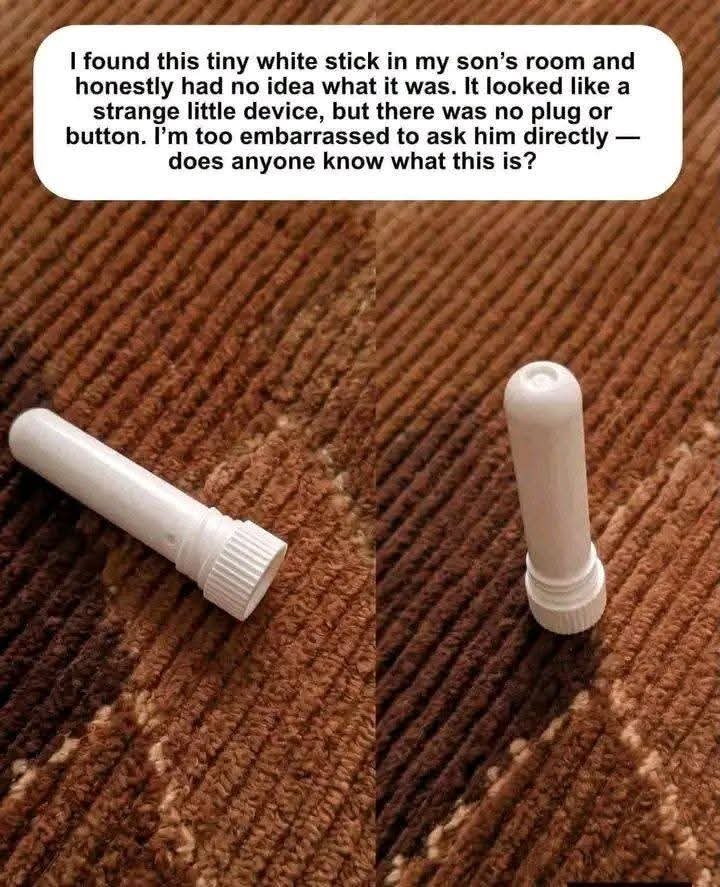
# I Found This Tiny White Stick in My Son’s Room and Was Too Embarrassed to Ask Him: Does Anyone Know What It Is?
When it comes to parenting, curiosity often meets confusion. Recently, many parents have shared similar experiences of stumbling across unusual items in their children’s rooms. One such experience is discovering a tiny white stick, raising questions about its purpose and origin. If you’ve found a tiny white stick in your child’s room and feel hesitant to ask them about it, you are not alone. In this article, we will delve into the possible explanations for this mystery object while offering insight into items commonly found in children’s spaces. Let’s explore!
## Possible Explanations for the Tiny White Stick
Understanding what the tiny white stick could be is paramount, especially when it concerns your child. Here are some popular possibilities that might explain your find:
### 1. A Craft Supply
Often, children engage in creative projects which might involve various craft supplies. Tiny white sticks can be popsicle sticks, cotton swabs, or even pieces from craft kits that often come in assorted shapes and sizes. These materials are frequently used in arts and crafts for school projects or personal hobbies.
#### Craft Ideas Using Sticks
– **Craft Sticks**: Used for constructing models or simple art.
– **Cotton Swabs**: Often employed for painting or applying glue.
– **Model Building**: May serve as supports or connectors for various craft projects.
If your child enjoys crafts, it may be worthwhile to check their craft supplies for missing items or projects in progress.
### 2. A Toothpick or Skewers
Sometimes children use toothpicks for imaginative play. They might have been used in games or as props in dollhouses or figurines. Additionally, tiny white skewers used for food can easily be misplaced.
#### Safety Note:
If the stick is pointed, it’s important to handle with care, as it can be sharp. Always ensure that children understand the safe usage of such items.
### 3. A Component of a Larger Toy
Another potential explanation could be that the stick is part of a toy, like a building set or action figures. Many toys have small components that can easily get separated and misplaced. For example:
– **LEGO Sets**: Small sticks may accompany official building instructions.
– **Action Figures**: They may include accessories that are often overlooked.
Investigating your child’s toy collection might reveal the identity of the tiny white stick.
### 4. Personal Care Items
If this tiny white stick is smooth and slender, it could relate to personal grooming products. It may be something as simple as a clean dental device or a tongue cleaner. Children may sometimes explore bathroom items and take them to their rooms out of curiosity.
### 5. Educational Tools
Some educational tools also feature white sticks, particularly in activities focusing on counting or phonetics. Children’s educational games often utilize props to encourage interaction.
#### Examples Include:
– **Counting Games**: Sticks can represent numbers and facilitate learning.
– **Phonics Tools**: Some phonetic kits incorporate sticks to aide in teaching pronunciation.
### 6. A Piece of a Puzzle
Finally, consider the possibility that it might be a piece from a puzzle or a board game. Many games have small parts that can easily be lost but might otherwise serve an important function in gameplay.
## What Should You Do Next?
If uncovering the purpose of the tiny white stick has left you puzzled and embarrassed about asking your child, here are some steps you can take:
### 1. Observe Your Child’s Room
Take a close look around their room for any clues. Analyzing where the stick was found could provide context. You may also uncover more items that spark curiosity or concern.
### 2. Approach the Topic Gently
If you do decide to ask your child, approach the subject casually. You might say something like, “I stumbled across this tiny stick in your room. Can you tell me what it’s for?” This opens the discussion without making it feel like an interrogation.
### 3. Promote Transparency
Encourage your child to be open about what they keep in their space. Having conversations about organization can reduce the embarrassment of such discoveries in the future.
## Conclusion
Finding a tiny white stick in your son’s room can elicit concern or curiosity, but often, the explanation is something harmless, common, or even creative. Understanding potential explanations can provide peace of mind while fostering open dialogue with your child about their interests and belongings.
Always remember that part of growing up is exploration, which sometimes leads to unexpected surprises around the house. Keep fostering their creativity while ensuring a safe space for inquiry and communication. If you discover that the tiny white stick relates to something unusual or concerning, trust your instincts as a parent to address those issues appropriately. Embrace the beauty of parenting—what seems like a mystery today may just enhance your bond with your child tomorrow!