
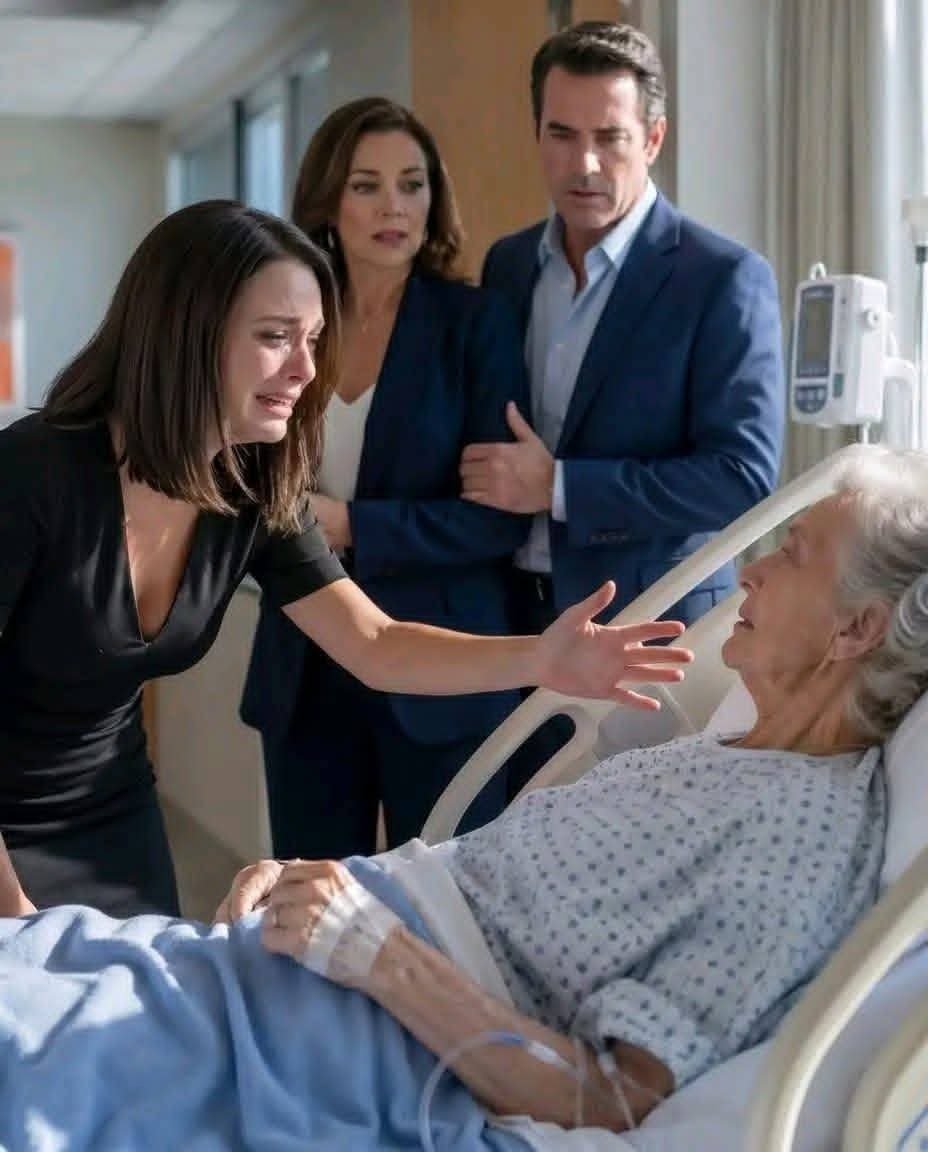
# My Grandma Was Critical After Emergency Surgery and My Parents Refused to Come, But at Her Funeral, the Pastor Read Her Final Note—And Dad’s Face Changed When He Heard His Name…
Life is a tumultuous journey filled with unexpected events. Often, it is during the most challenging times that we are forced to confront our relationships, beliefs, and emotions. This article explores an extraordinary life experience surrounding family dynamics, love, and the revelation that unfolded during a funeral, leaving an indelible mark on everyone involved.
## The Emergency Surgery
When my grandmother underwent emergency surgery, the world around her shifted dramatically. In a matter of hours, her health took a turn for the worse, leaving her in a critical condition. For my family, this event illuminated the fractures that had been developing over the years. My parents made the controversial choice not to visit her in the hospital, citing reasons they only vaguely explained. This decision was not only puzzling but also left me grappling with a storm of emotions.
### Understanding Family Dynamics
The refusal to come and see my grandmother in such a dire situation raises questions about family relationships and responsibilities. Why do some families rush to support one another in times of crisis, while others retreat? Unpacking these dynamics reveals underlying tensions that can shape familial bonds—tensions often rooted in past conflicts or unresolved issues.
Reflecting on the nature of family, it became clear that every relationship carries its complexity. Families are often woven together by a rich tapestry of love, disappointment, history, and sometimes regret. My experience during my grandmother’s critical condition forced me to reassess my understanding of those dynamics.
### The Role of Emotional Distance
My parents’ decision to stay away from the hospital served as a painful reminder of emotional distance. It highlighted a lack of engagement and openness—a common challenge in many families. This absence created feelings of isolation not only for my grandmother but for me as well.
As we navigate through familial complexities, it’s crucial to recognize how emotional distance impacts our relationships. Poor communication and unresolved issues can create significant rifts. Confronting these difficulties can often lead to healing and growth, but for my parents, this moment seemed to be one of avoidance rather than confrontation.
## The Funeral and Its Transformative Power
In the wake of my grandmother’s passing, we gathered to pay our final respects. The air was filled with a mix of grief and celebration of life, each individual carrying their personal memories of her. It was during the eulogy that the pastoral reflection revealed layers of vulnerability and love that had been overlooked during her final days.
### The Final Note
As the pastor spoke, he pulled out a note that my grandmother had written in her last days—an act of love that would resonate deeply within the chapel. This note encapsulated her thoughts, feelings, and wishes. As he began reading, the emotion in the room intensified. My heart raced in anticipation of what would be shared. It was a poignant reminder of her strong spirit and unwavering love for her family.
### The Moment Dad’s Face Changed
Then came the moment that no one expected. The pastor read aloud my grandmother’s message mentioning my father by name. She expressed her unconditional love for him and shared her hopes that he would reconcile with the family. In that instant, I dived deep into observing my father’s reactions—his face changed dramatically, turning pale as realization washed over him. A mixture of regret, sorrow, and disbelief crossed his features, painting a vivid picture of the internal battles he faced.
This transformative moment created a chasm of understanding between us. It was a reminder that sometimes, the words we cannot say while alive can carry monumental weight even after we’re gone.
## Confronting Regret and Reconciliation
The reading of my grandmother’s note ignited a sense of urgency within my father. In that solemn moment, surrounded by family and friends, he seemed to understand the fragility of life and the importance of relationships. It highlighted how regrets can linger unaddressed, giving rise to missed opportunities for connection.
Taking Action After Loss
Life is unpredictable, but what we choose to do in the aftermath of loss can shape our futures. My father’s change in demeanor at the funeral initiated a series of discussions within my family. In the days that followed, it became evident he wanted to reach out—not only to express his regrets but also to repair the strained relationships within our family.
1. **Effective Communication:** Genuinely reconnecting requires openness and vulnerability. Engaging honestly with family members can help break down emotional barriers.
2. **Seeking Forgiveness:** In the journey of reconciliation, acknowledging past wrongs and offering a sincere apology can pave the way for healing.
3. **Establishing Connections:** Re-engaging with family can lead to stronger bonds, further emphasized by shared memories and experiences.
## Conclusion: Lessons Learned
My grandmother’s journey through surgery and death served as a crucial turning point for our family. The circumstances surrounding her hospitalization and subsequent funeral revealed much about our relationship dynamics and emotional landscapes. The unexpected reading of her final note illuminated the importance of reconnection, forgiveness, and understanding in a family.
In the end, it is the bonds we nurture and the words we say—or fail to say—that shape our lives and those we love. Losing a beloved family member teaches us invaluable lessons about compassion, connection, and the urgency to act before it is too late. Thus, this experience stands as a poignant reminder to embrace our relationships fully and cherish the loved ones who matter most.
It is in these moments of reflection that we often find the strength to change and initiate healing—a vital step towards building the family we wish to remember.