
HomeWalnuts Nature’s Brain-Shaped Superfood
Walnuts Nature’s Brain-Shaped Superfood
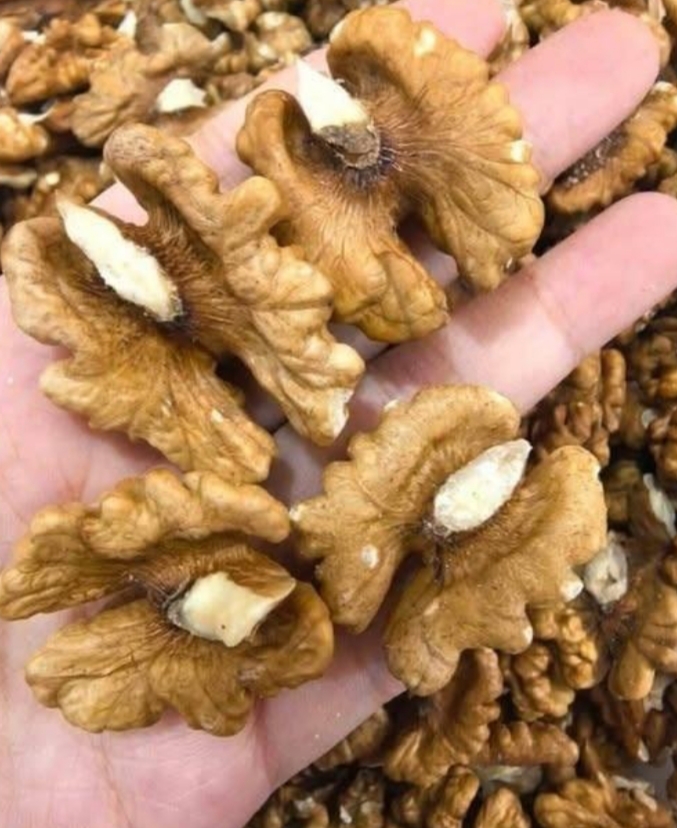
Few foods in nature mirror the human form as closely as the walnut. With its deeply wrinkled, bi-lobed shell, it bears an uncanny resemblance to the human brain. Yet this visual parallel is far more than a botanical curiosity. For centuries, traditional healers followed the “Doctrine of Signatures,” a historical belief that plants resembling specific body parts held healing properties for those same organs. Modern nutritional science has now validated this ancient intuition: walnuts are indeed among the most powerful foods for cognitive health.
Why Walnuts Excel for Brain Health
read more in next page
1. Exceptional Source of Plant-Based Omega-3s
Walnuts are the only nut that provides a substantial amount of alpha-linolenic acid (ALA), a vital plant-based omega-3 fatty acid. These essential fats serve as fundamental building blocks for brain cell membranes, help regulate neural inflammation, and are consistently associated with a reduced risk of age-related cognitive decline. Just one ounce—roughly seven walnut halves—delivers about 2.5 grams of ALA, meeting approximately 90% of the recommended daily intake.
2. Unmatched Antioxidant Density
HomeWalnuts Nature’s Brain-Shaped Superfood
Walnuts Nature’s Brain-Shaped Superfood
2. Unmatched Antioxidant Density
Beyond healthy fats, walnuts are remarkably rich in antioxidants, including polyphenols and vitamin E. These compounds actively neutralize free radicals and protect delicate brain tissue from oxidative stress, a primary driver of neurological aging and conditions like Alzheimer’s disease. Among all commonly consumed nuts, walnuts consistently rank highest in total antioxidant capacity.
3. Support for the Gut-Brain Axis
Emerging research highlights walnuts’ unique role in nourishing the gut microbiome. Their specific blend of fiber and polyphenols encourages the growth of beneficial bacteria, which communicate directly with the central nervous system through the gut-brain axis. This pathway plays a crucial role in regulating mood, reducing mental fatigue, and supporting overall cognitive clarity.
4. Proven Cognitive Benefits
Clinical observations reinforce these biological mechanisms. Studies indicate that older adults who regularly consume walnuts tend to perform better on memory and processing speed assessments. In younger populations, consistent intake has been linked to sharper problem-solving abilities and improved inferential reasoning.
Whole-Body Benefits
While walnuts are celebrated for their neurological advantages, their protective effects extend throughout the body:
Cardiovascular support: Helps lower LDL cholesterol and stabilize healthy blood pressure
Systemic inflammation reduction: Lowers key markers of chronic inflammation
Metabolic balance: May enhance insulin sensitivity and support steady blood sugar levels
Longevity: Large-scale epidemiological studies consistently associate regular nut consumption with reduced all-cause mortality
How to Incorporate Walnuts Daily
Adding walnuts to your routine is remarkably simple. An ounce per day—about seven halves—is the optimal serving size. They can be easily:
Stirred into morning oatmeal, yogurt, or smoothies
Sprinkled over salads, grain bowls, or roasted vegetables
Folded into homemade breads, muffins, or energy bites
Lightly toasting walnuts can deepen their natural flavor, but avoid high heat to preserve their delicate healthy fats. For optimal freshness, store walnuts in an airtight container in the refrigerator or freezer, as their high oil content makes them susceptible to rancidity at room temperature.
A Note on Moderation & Sensitivity
While exceptionally nutritious, walnuts are calorie-dense. Sticking to a small daily handful is advisable unless otherwise directed by a healthcare provider. Additionally, tree nut allergies are common, so those with known sensitivities should avoid them entirely.
The Bottom Line
Nature often communicates through form, and the walnut’s striking resemblance to the human brain is no accident. What was once a traditional heuristic is now firmly supported by nutritional science. By incorporating this remarkable food into your diet, you’re not just honoring an ancient observation—you’re actively nourishing one of your most vital organs.
As the old wisdom suggests, and modern research confirms: eat the food that mirrors your mind, and your mind will thank you for decades to come.