
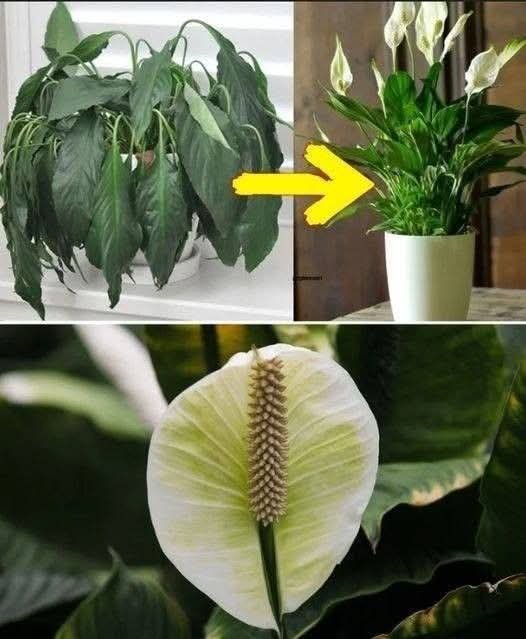
# Place a Tablespoon on Any Plant at Home: What to Expect
When it comes to home gardening, many enthusiasts are always on the lookout for simple yet effective hacks that can revitalize their plants. A common question arises: What happens if you place a tablespoon of something on your houseplants? This article explores this intriguing concept and provides insight into what you can expect when you try it with different substances.
## Understanding Plant Nutrition
Before delving into what happens when you place a tablespoon on your plant, it’s important to understand the basics of plant nutrition. Healthy plants require essential nutrients like nitrogen, phosphorus, potassium, calcium, magnesium, and sulfur. These nutrients support various bodily functions including growth, flowering, and disease resistance.
### The Role of Nutrients
1. **Nitrogen**: Essential for foliage growth, it encourages lush, green leaves.
2. **Phosphorus**: Important for root development and enhances the flowering process.
3. **Potassium**: Aids in overall plant health and improves the plant’s ability to withstand diseases.
4. **Micronutrients**: Elements such as iron and manganese that support some vital functions at lower concentrations.
## What Can You Place on Your Plants?
Now, let’s explore a few common substances that can be measured out in a tablespoon and placed on your plants, and the expected outcomes of each.
### 1. Coffee Grounds
**Expectations**: If you place a tablespoon of used coffee grounds around your plants, they can benefit from the added nitrogen content. Coffee grounds also improve soil drainage and aeration, fostering a healthy root environment. Their slightly acidic nature is excellent for acid-loving plants like azaleas and blueberries.
**Tip**: Ensure you do not overuse coffee grounds, as too much can worsen the soil’s acidity or lead to mold growth.
### 2. Epsom Salt
**Expectations**: A tablespoon of Epsom salt (magnesium sulfate) can enhance chlorophyll production and boost nutrient uptake when sprinkled around the base of your plants. This is especially useful for tomato plants, which require magnesium for strong growth and fruit production.
**Tip**: Use Epsom salt sparingly to prevent magnesium toxicity in soil.
### 3. Baking Soda
**Expectations**: While often used as a leavening agent, when mixed with water or sprinkled in moderation, a tablespoon of baking soda can help control certain fungal diseases like powdery mildew. It can create an alkaline environment that some pests find unfavorable.
**Caution**: Overuse can affect soil pH levels and harm the plants, so moderation is key.
### 4. Bone Meal
**Expectations**: A tablespoon of bone meal provides an excellent source of phosphorus, which fosters strong root development and flowering. It yields long-lasting benefits and is particularly beneficial for flowering plants and vegetables.
**Note**: Bone meal is slow-acting, so patience is required to see its effects.
### 5. Liquid Fertilizer
**Expectations**: A tablespoon of dilute liquid fertilizer can provide an instant nutrient boost. This is especially useful for indoor plants that may show signs of nutrient deficiency, such as yellowing leaves.
**Tip**: Always follow the manufacturer’s instructions to avoid overfertilization, which can lead to root burn and poor plant health.
## Observing the Changes
After placing a tablespoon of your chosen substance around the base of your plant, you’ll want to monitor the changes over the next few days and weeks. Here are some indicators to watch for:
### 1. Leaf Color
New growth may display rich, green foliage, indicating successful nutrient uptake. Yellowing leaves might improve, showing a health turnaround.
### 2. Root Growth
While root growth is slow and not immediately visible, healthy plants often display signs of vitality through increased foliage or blooming.
### 3. Pest Resistance
Improved health from added nutrients may lead to greater resistance against pests and diseases; watch for any signs of deterioration.
### 4. Overall Growth
Changes in plant height and spread can indicate effective nutrient addition. Healthy plants will likely grow taller and fuller with improved resilience.
## Conclusion
Placing a tablespoon of selected substances on your houseplants can lead to various beneficial outcomes, from improved growth to enhanced disease resistance. The key is understanding your plants’ specific needs and using these common household items responsibly.
Incorporating these tips into your gardening routine can lead to healthier plants, transforming your space into a lush, vibrant oasis. Keep experimenting, and don’t hesitate to tailor your methods based on how your plants respond. Happy gardening!